Malai Kofta
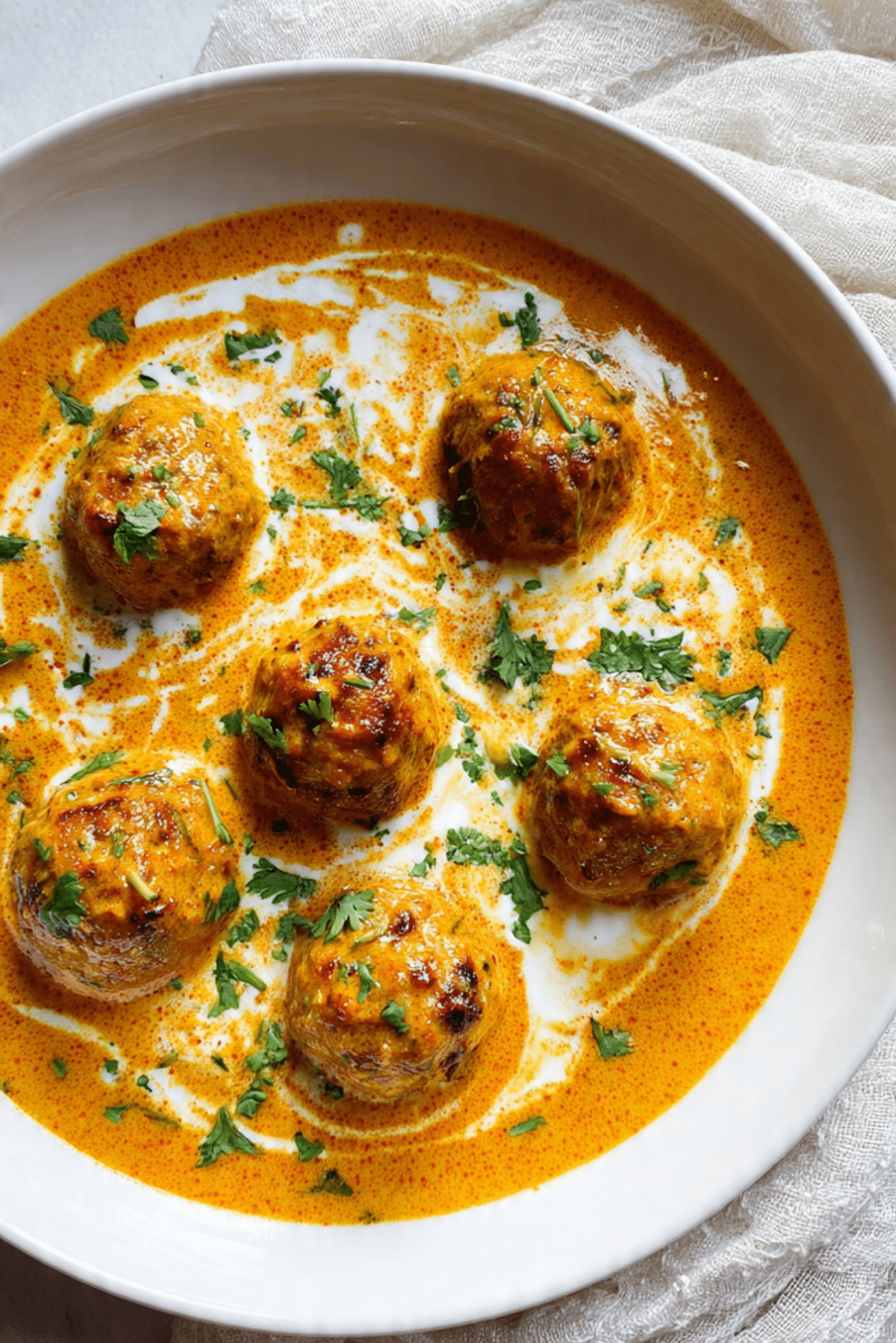
There is something deeply comforting about a bowl of Malai Kofta sitting right in the middle of the table, steaming gently, the creamy gravy glowing in that soft shade of orange that promises richness in every bite. The kofta are tender, almost cloud like inside, wrapped in a velvety sauce that smells of warm spices and fresh cream. Trust me, you are going to love this. This one is a total game changer when you want something indulgent yet completely vegetarian, and let me tell you, it is worth every bite.
A Creamy Curry That Feels Like a Celebration
Malai Kofta has that restaurant style charm, the kind of dish you order for special occasions, yet it is surprisingly doable in your own kitchen. The soft dumplings soak up the luscious gravy, and each spoonful feels balanced, rich but not heavy, spiced but not overpowering. It is comfort food with a little elegance, perfect for slow dinners and warm conversations.
A Little Story From North Indian Kitchens
This dish traces its roots to North Indian cuisine, where rich gravies and paneer based dishes hold a special place at festive tables. The word kofta refers to shaped dumplings, and malai means cream, which tells you exactly what to expect. Traditionally served at weddings and celebrations, Malai Kofta became a symbol of hospitality and abundance. Over time, home cooks adapted it, making it simpler yet just as luxurious. And now, it is one of those classics that bridges restaurant glamour and homemade warmth so beautifully.
Why This Recipe Works Every Single Time
Before we step into the kitchen, let me tell you why this version is reliable and approachable.
Versatile: It pairs beautifully with naan, roti, or even simple steamed rice, making it flexible for any meal.
Budget-Friendly: Made with potatoes, paneer, and pantry spices, it feels luxurious without requiring expensive ingredients.
Quick and Easy: The steps are straightforward and organized, so even if you are new to Indian cooking, you can follow along with confidence.
Customizable: You can adjust spice levels, creaminess, or even add a hint of sweetness depending on your taste.
Crowd-Pleasing: Creamy texture and mild warmth make it loved by kids and adults alike.
Make-Ahead Friendly: The gravy can be prepared ahead and reheated gently before serving.
Great for Leftovers: The flavors deepen overnight, making next day servings even more delicious.
Chef Secrets for Restaurant Style Results
Let me share a few insider touches that truly elevate this dish.
- Lightly fry the kofta on medium heat so they turn golden outside yet stay soft inside.
- Blend the gravy until completely smooth before simmering, this gives that silky finish.
- Add cream at the very end to preserve its richness and prevent splitting.
- Crush a tiny pinch of kasuri methi between your palms and stir it in for a subtle aroma boost.
Essential Kitchen Tools for Smooth Cooking
A few simple tools make everything easier and more enjoyable.
Mixing Bowl: For combining and shaping the kofta mixture evenly.
Heavy Bottomed Pan: Ensures the gravy cooks gently without sticking.
Blender: Helps achieve that smooth, creamy curry texture.
Slotted Spoon: Useful for frying and lifting the kofta safely.
Ingredients That Build the Magic
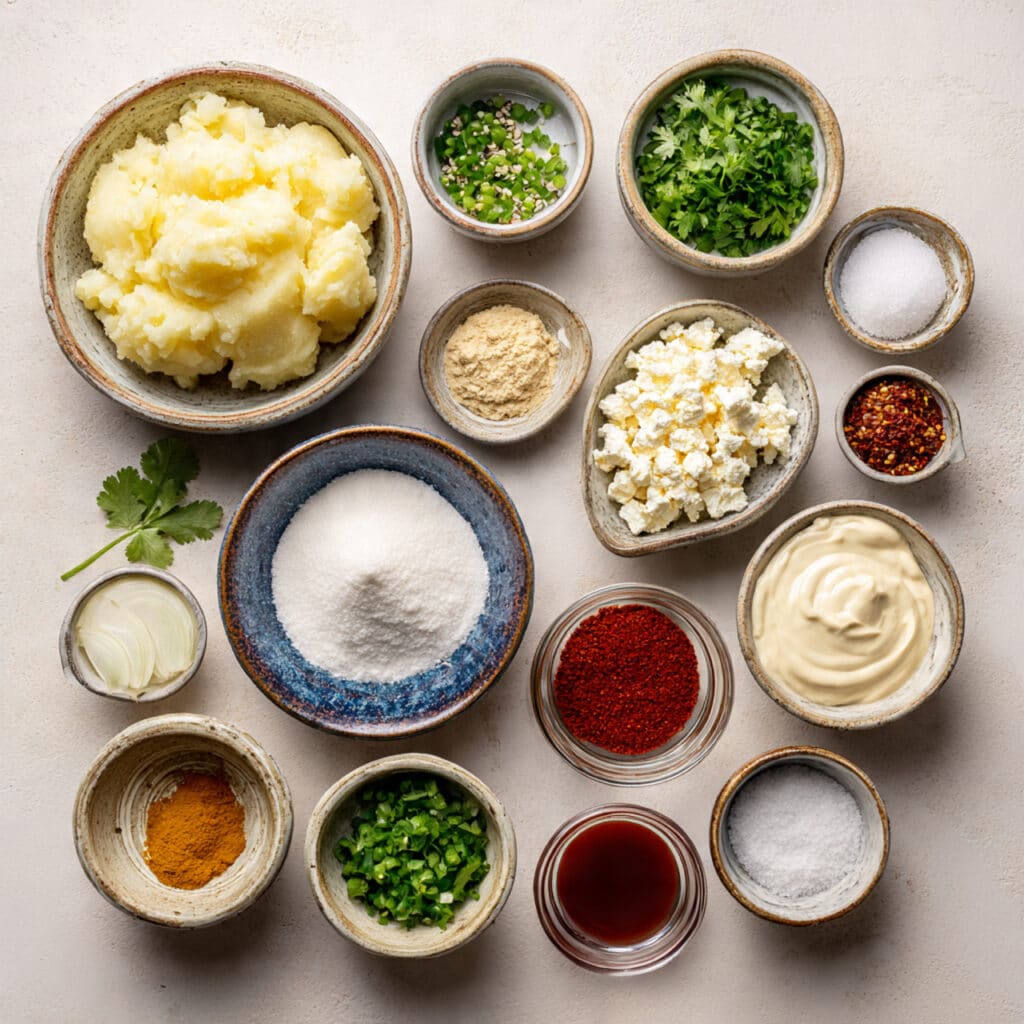
The beauty of Malai Kofta lies in how simple ingredients come together in harmony.
- Boiled Potatoes: 2 cups mashed, they form the soft base of the kofta.
- Paneer: 1 cup crumbled, adds richness and mild creaminess inside the dumplings.
- Cornstarch: 2 tablespoons, helps bind the kofta so they hold their shape.
- Green Chilies: 1 teaspoon finely chopped, for gentle heat.
- Fresh Cilantro: 2 tablespoons finely chopped, for freshness.
- Salt: 1 teaspoon, enhances every layer of flavor.
- Garam Masala: 1 teaspoon, adds warmth and depth.
- Red Chili Powder: 1 teaspoon, gives color and subtle spice.
- Turmeric Powder: 1/2 teaspoon, for earthy flavor and golden hue.
- Onion: 1 cup finely chopped, forms the savory base of the gravy.
- Tomato Puree: 1 cup, brings tangy balance and body.
- Ginger Garlic Paste: 1 tablespoon, builds aromatic depth.
- Cashew Paste: 1/4 cup, blended smooth for creamy texture.
- Fresh Cream: 1/2 cup, stirred in at the end for that signature richness.
- Water: 1 cup, to adjust gravy consistency.
- Oil: 3 tablespoons, for frying and sautéing.
Flexible Swaps If You Need Them
Sometimes you work with what you have, and that is perfectly fine.
Paneer: Substitute with ricotta cheese, drained well.
Cashew Paste: Use blanched almond paste for similar creaminess.
Fresh Cream: Swap with coconut cream for a lighter twist.
Cornstarch: Use arrowroot powder as an alternative binder.
Spotlight on the Stars of the Dish
Paneer: This fresh cheese gives the kofta their signature softness and mild richness.
Cashew Paste: It creates that velvety gravy texture without overwhelming the spices.
Let’s Step Into the Kitchen Together
Now that everything is ready, let us bring it all together.
- Preheat Your Equipment: Heat oil in a heavy bottomed pan over medium heat for frying and sautéing.
- Combine Ingredients: In a mixing bowl, combine mashed potatoes, crumbled paneer, cornstarch, green chilies, cilantro, salt, and half of the garam masala. Mix gently until smooth and shape into small round balls.
- Prepare Your Cooking Vessel: In the heated oil, fry the kofta until golden brown. Remove and set aside. In the same pan, sauté chopped onions until soft and lightly golden. Add ginger garlic paste and cook until fragrant.
- Assemble the Dish: Stir in tomato puree, turmeric, red chili powder, and remaining garam masala. Cook until the oil begins to separate. Add cashew paste and cook for another 2 minutes.
- Cook to Perfection: Pour in water, simmer for 5 to 7 minutes until the gravy thickens slightly. Lower the heat and stir in fresh cream.
- Finishing Touches: Gently place the fried kofta into the gravy just before serving so they stay soft and do not break.
- Serve and Enjoy: Garnish with a swirl of cream and chopped cilantro, then serve hot with naan or rice.
Creamy Texture and Layers of Flavor
As the gravy simmers, the onions melt into sweetness, the tomato brings gentle acidity, and the spices bloom into warmth. The cashew paste thickens everything into a silky sauce that coats each kofta perfectly. When you take a bite, you feel the contrast, soft interior, lightly crisp exterior, and smooth creamy gravy wrapping around it all.
Helpful Cooking Tips for Best Results
A few little pointers make a big difference.
- Fry kofta in batches to avoid overcrowding.
- Keep the gravy slightly thick before adding kofta so it does not become watery.
- Add cream on low heat to prevent curdling.
Common Mistakes and How to Avoid Them
Even simple dishes have small traps, so let us avoid them.
- Overmixing the kofta mixture, which can make them dense. Mix gently.
- Adding kofta too early to the gravy, which may cause them to break. Add just before serving.
- Cooking gravy on high heat after adding cream, which may split it. Keep the heat low.
Nutritional Snapshot You Should Know
Servings: 4
Calories per serving: 420
Note: These are approximate values.
Time Needed From Start to Finish
Prep Time: 20 minutes
Cook Time: 30 minutes
Total Time: 50 minutes
Plan Ahead and Store with Ease
You can prepare the gravy up to two days in advance and refrigerate it in an airtight container. Store fried kofta separately. When ready to serve, reheat the gravy gently, adjust consistency with a splash of water, then add kofta just before serving. The dish can be frozen without cream for up to one month. Thaw overnight and reheat slowly, adding fresh cream at the end.
Serving Ideas That Elevate the Experience
Serve Malai Kofta with butter naan, soft roti, or fragrant basmati rice. A simple cucumber salad or lightly pickled onions on the side balance the richness beautifully.
Turn Leftovers into Something New
Leftover kofta can be stuffed inside wraps with fresh greens for a quick lunch. The gravy works wonderfully as a sauce over steamed vegetables or even spooned over toasted bread for a fusion twist.
Extra Tips for Flavor and Ease
Add a small pinch of sugar if your tomatoes are too tangy. Always taste before serving and adjust salt or spice gently. Fresh cream at the end truly makes a difference, do not skip it.
Make It Look Absolutely Stunning
Serve in a wide shallow bowl, swirl a spoon of cream on top, and sprinkle fresh cilantro for a pop of green. A final drizzle of melted butter adds a glossy finish that looks restaurant worthy.
Fun Variations to Try
Add finely chopped nuts inside the kofta for surprise texture.
Include a small cube of paneer in the center of each dumpling.
Make it slightly sweeter with a touch of honey in the gravy.
Add a spoon of yogurt for a subtle tangy undertone.
FAQ’s
Q1: Can I bake the kofta instead of frying?
Yes, bake at 400 degrees Fahrenheit for about 20 minutes until lightly golden.
Q2: Can I make this gluten free?
Yes, the recipe is naturally gluten free when served without bread.
Q3: Why did my kofta break?
They may need a bit more cornstarch for binding.
Q4: Can I make it less spicy?
Reduce green chilies and red chili powder to adjust heat.
Q5: Can I skip cashew paste?
It adds creaminess, but you can substitute with almond paste.
Q6: How thick should the gravy be?
It should coat the back of a spoon, smooth and slightly thick.
Q7: Can I use store bought tomato puree?
Yes, just ensure it is plain without added seasoning.
Q8: How long does it last in the fridge?
Up to three days when stored properly.
Q9: Can I double the recipe?
Absolutely, just maintain the same ratios.
Q10: Is this dish very heavy?
It is rich but balanced, especially when paired with fresh sides.
Conclusion
Malai Kofta is one of those dishes that makes dinner feel special without being intimidating. Creamy, aromatic, and deeply satisfying, it brings warmth to the table in the most beautiful way. Give it a try, savor each bite, and let your kitchen fill with those irresistible aromas.
Print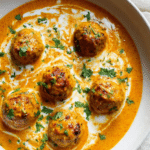
Malai Kofta
- Prep Time: 20 minutes
- Cook Time: 30 minutes
- Total Time: 50 minutes
- Yield: 4 servings 1x
- Category: Main Course
- Method: Stovetop
- Cuisine: North Indian
- Diet: Vegetarian
Description
Soft paneer and potato dumplings simmered in a rich, creamy tomato cashew gravy, this Malai Kofta is indulgent, comforting, and perfect for special dinners or festive meals.
Ingredients
- 2 cups boiled and mashed potatoes
- 1 cup crumbled paneer
- 2 tablespoons cornstarch
- 1 teaspoon finely chopped green chilies
- 2 tablespoons finely chopped fresh cilantro
- 1 teaspoon salt
- 1 teaspoon garam masala
- 1 teaspoon red chili powder
- 1/2 teaspoon turmeric powder
- 1 cup finely chopped onion
- 1 cup tomato puree
- 1 tablespoon ginger garlic paste
- 1/4 cup cashew paste
- 1/2 cup fresh cream
- 1 cup water
- 3 tablespoons oil
Instructions
- Heat oil in a heavy bottomed pan over medium heat.
- In a mixing bowl, combine mashed potatoes, crumbled paneer, cornstarch, green chilies, cilantro, salt, and half of the garam masala. Mix gently and shape into small round balls.
- Fry the kofta in batches until golden brown. Remove and set aside.
- In the same pan, sauté chopped onion until soft and lightly golden. Add ginger garlic paste and cook until fragrant.
- Stir in tomato puree, turmeric powder, red chili powder, and remaining garam masala. Cook until the oil begins to separate.
- Add cashew paste and cook for 2 minutes.
- Pour in water and simmer for 5 to 7 minutes until the gravy thickens slightly.
- Lower the heat and stir in fresh cream.
- Gently place the fried kofta into the gravy just before serving.
- Garnish with additional cream and cilantro if desired, then serve hot.
Notes
- Fry kofta in batches to prevent overcrowding and breaking.
- Add cream on low heat to avoid curdling.
- Add kofta to the gravy just before serving to keep them soft.
- Adjust spice level by reducing green chilies or red chili powder.
Nutrition
- Serving Size: 1 serving
- Calories: 420
- Sugar: 6g
- Sodium: 520mg
- Fat: 28g
- Saturated Fat: 12g
- Unsaturated Fat: 14g
- Trans Fat: 0g
- Carbohydrates: 34g
- Fiber: 4g
- Protein: 12g
- Cholesterol: 45mg
Keywords: Malai Kofta, paneer kofta curry, creamy Indian curry, vegetarian curry recipe, North Indian main dish