Beef Bulgogi Bowls with Spicy Sauce
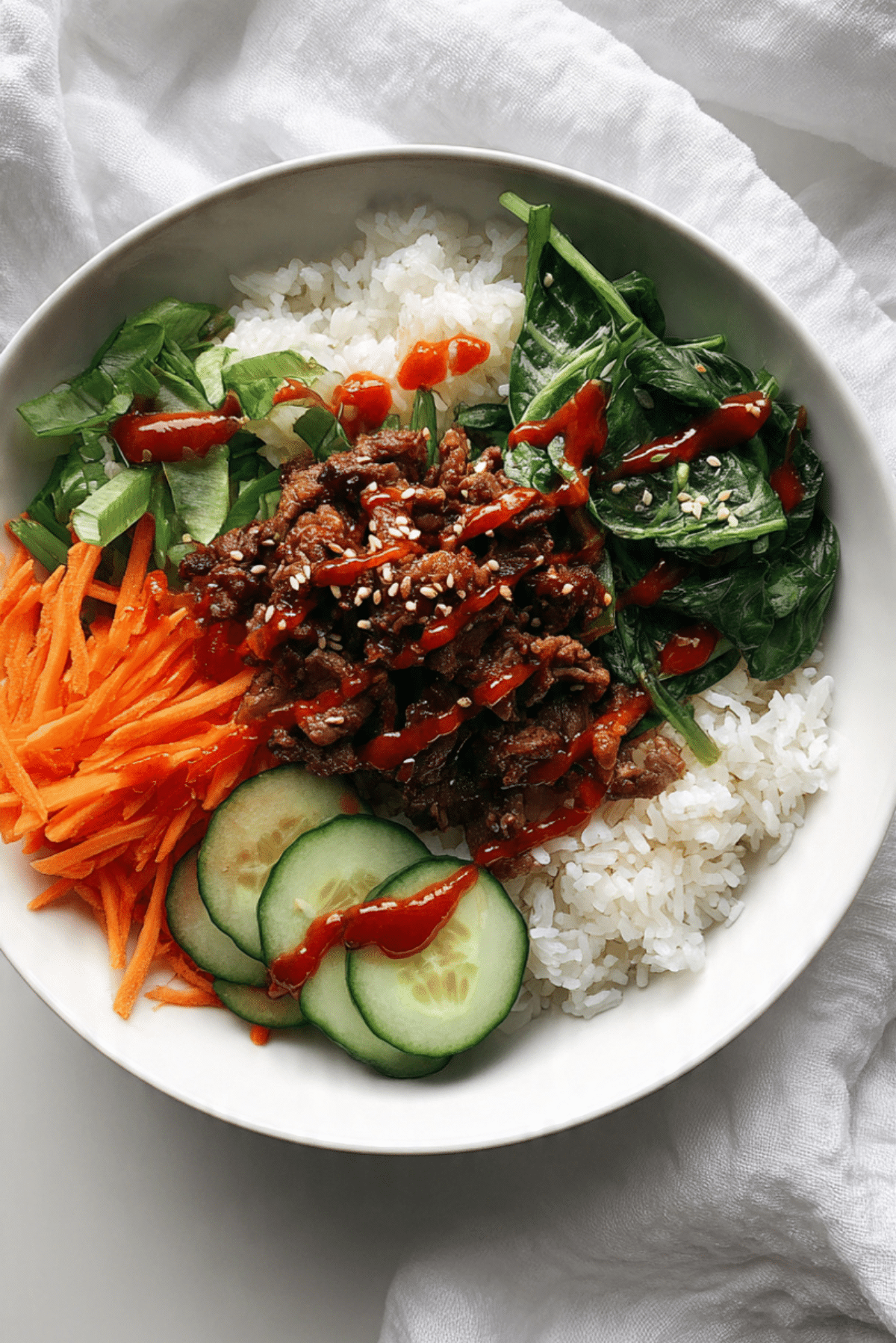
There’s something magical about a warm bowl layered with savory marinated beef, tender vegetables, and a spicy kick that wakes up your taste buds. These Beef Bulgogi Bowls are a full-sensory experience. The rich, caramelized beef pairs perfectly with the cool crunch of cucumbers and the comforting warmth of fluffy white rice. Top it off with a drizzle of spicy gochujang sauce, and every bite becomes a symphony of flavor and texture.
Why This Beef Bowl Hits the Spot Every Time
Some meals hit you right in the soul, and this one does it with confidence. Whether you’re after something quick, satisfying, or just downright delicious, this bowl checks all the boxes.
The Korean Roots Behind the Sizzle
Bulgogi, meaning “fire meat,” is a beloved Korean dish traditionally made with thinly sliced beef marinated in a blend of soy sauce, sugar, sesame oil, garlic, and other aromatics. It’s been enjoyed for centuries and remains a staple in Korean BBQ today. The beauty of bulgogi is how it balances sweet, salty, savory, and smoky elements, often cooked quickly over high heat. Today, we’re channeling that tradition into a cozy rice bowl format with spicy flair.
What Makes This Bowl a Go-To Winner
This is the kind of meal you’ll want to make again and again. Here’s why it stands out:
Versatile: You can swap out veggies or use chicken or tofu and still end up with a killer bowl.
Budget-Friendly: A little beef goes a long way when paired with rice and vegetables.
Quick and Easy: Marinate ahead, cook in minutes, and dinner is done.
Customizable: Make it spicy or mild, add a fried egg, or go low-carb with cauliflower rice.
Crowd-Pleasing: Every component shines, so even picky eaters find something to love.
Make-Ahead Friendly: Prepping the ingredients ahead makes assembly a breeze.
Great for Leftovers: Store the components separately and reheat as needed.
Secrets to Nailing the Perfect Bowl
Let me tell you, it’s worth every bite when you follow a few key tips. Here’s how to bring out the best in every layer of your bulgogi bowl:
- Marinate Overnight: The longer the beef sits, the deeper the flavor. At least 30 minutes is great, overnight is gold.
- Use High Heat: Sear the beef quickly to get that caramelized edge without overcooking.
- Prep Everything First: This dish moves fast once it starts cooking. Have all your components ready to go.
- Go Fresh on Veggies: Crisp cucumbers, just-wilted spinach, and bright carrots bring life to the bowl.
- Drizzle, Don’t Drown: A little gochujang sauce goes a long way. Drizzle artfully and let the flavor shine.
Must-Have Tools for Beef Bulgogi Bowls
Before we dive in, make sure you’ve got the essentials ready:
Mixing Bowls: For marinating and tossing your vegetables.
Sharp Knife: Essential for thinly slicing the beef and julienning veggies.
Nonstick Skillet or Cast Iron Pan: Perfect for achieving a nice sear on the meat.
Rice Cooker or Pot: To get perfectly fluffy rice.
Tongs or Spatula: Helps with flipping and mixing the beef while cooking.
Ingredients You’ll Need For This Korean-Inspired Bowl
The magic happens when these ingredients come together in harmony. Each element plays a crucial role.
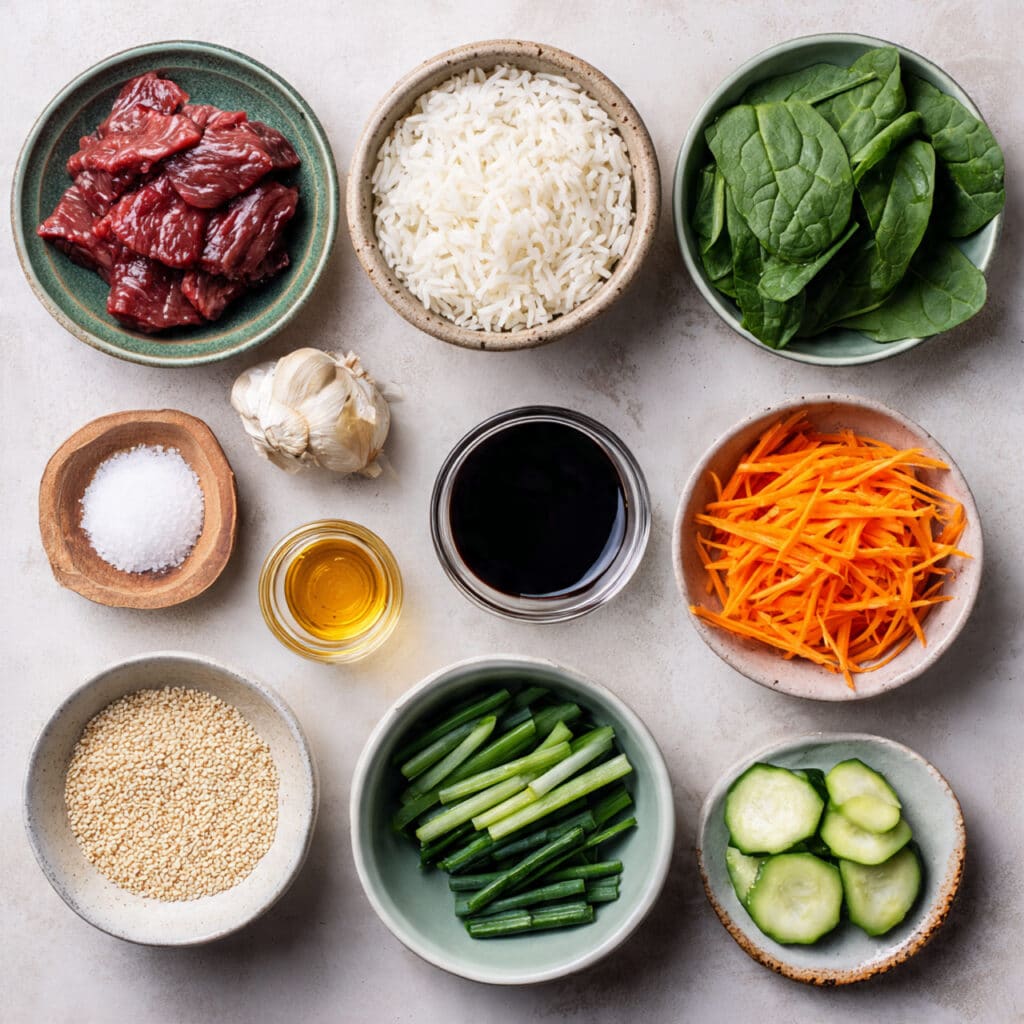
- Thinly Sliced Ribeye or Sirloin: 1 pound. Tender, quick-cooking meat that absorbs the marinade beautifully.
- Cooked White Rice: 2 cups. The hearty base that ties everything together.
- Soy Sauce: 3 tablespoons. Salty and savory backbone for the marinade.
- Sesame Oil: 1 tablespoon. Adds deep, nutty aroma and richness.
- Garlic Cloves: 3 cloves, minced. Sharp and pungent flavor enhancer.
- Fresh Ginger: 1 tablespoon, grated. Gives the marinade a bit of spicy warmth.
- Sugar: 1 tablespoon. Balances the salty and spicy notes.
- Julienned Carrots: 1 cup. Crunchy and sweet, perfect for freshness.
- Spinach: 2 cups. Lightly wilted, it adds a tender, earthy touch.
- Cucumber: 1 small, thinly sliced. Cool and refreshing to cut the heat.
- Green Onions: 2 stalks, sliced. Adds a bit of bite and freshness.
- Sesame Seeds: 1 teaspoon. A final sprinkle for texture and flavor.
- Gochujang Sauce: 2 tablespoons. Brings that bold, spicy heat.
Ingredient Swaps You Can Totally Pull Off
Need to make a few changes? No problem.
Beef: Chicken thighs, tofu, or mushrooms work well.
White Rice: Brown rice, cauliflower rice, or soba noodles.
Gochujang: Sriracha mixed with a little miso paste for a quick stand-in.
Spinach: Kale or bok choy are excellent alternatives.
Sugar: Honey or maple syrup for a natural touch.
Spotlight on Flavor Powerhouses
Gochujang: This Korean chili paste is the heart of the sauce, rich with heat and umami depth.
Sesame Oil: A little goes a long way to deliver that warm, toasty flavor that defines bulgogi.
Let’s Cook This Thing
Now that we’ve set the stage, it’s time to bring all the flavors together. Follow these steps to build a bowl worth savoring.
- Preheat Your Equipment: Heat your skillet over high heat until it’s nice and hot.
- Combine Ingredients: In a bowl, mix the soy sauce, sesame oil, garlic, ginger, and sugar. Add beef slices and let marinate for at least 30 minutes.
- Prepare Your Cooking Vessel: Add a little oil to the hot skillet, swirling to coat.
- Assemble the Dish: Start cooking the beef in batches, searing each side until browned. Set aside.
- Cook to Perfection: In the same skillet, quickly sauté the spinach until just wilted.
- Finishing Touches: Prepare your bowls with a base of rice, then layer on beef, veggies, and sauce. Sprinkle with green onions and sesame seeds.
- Serve and Enjoy: Drizzle gochujang sauce over the top, and dig in while it’s warm and steamy.
Texture and Taste in Every Bite
The beef is juicy and caramelized with a tender chew, while the rice offers a soft, pillowy counterbalance. Crisp cucumbers and carrots add crunch, and the gochujang sauce brings a bold, fiery glaze that ties it all together. It’s the kind of meal that dances on your tongue.
Smart Cooking Tips to Elevate Your Bowl
Don’t overthink it. Just follow these tips:
- Freeze beef slightly before slicing to get ultra-thin cuts.
- Use short-grain rice for better texture and stickiness.
- Add a sunny-side egg on top for bonus richness.
Mistakes to Avoid for Best Results
It’s easy to sidestep the usual pitfalls:
- Skipping the marinade time will dull the flavor.
- Crowding the skillet causes steaming, not searing.
- Overcooking the beef makes it chewy instead of tender.
Nutrition Breakdown You’ll Appreciate
Servings: 4
Calories per serving: 490
Note: These are approximate values.
How Much Time You’ll Need
Prep Time: 20 minutes
Cook Time: 15 minutes
Total Time: 35 minutes
Prep Ahead and Store with Ease
You can marinate the beef a day in advance, and chop all veggies beforehand. Leftovers? Store each component separately in airtight containers. Reheat beef and rice gently and enjoy cold veggies on top for contrast. Freeze cooked beef if needed, but fresh is always best.
How to Dish It Up with Style
Serve in wide shallow bowls for the best presentation. Garnish with extra green onions or a soft-boiled egg. Pair with iced barley tea or a light miso soup for a full meal experience.
Fun Ideas for Leftovers
Turn your leftovers into a wrap with lettuce leaves or tortillas. Add it to a stir-fry with noodles, or make a bulgogi-style fried rice. The options are endless.
More Tips to Keep in Your Back Pocket
- Taste the marinade before using and adjust sweetness or spice as needed.
- Use fresh ginger for the best flavor burst.
- Let the beef rest for a minute after cooking to stay juicy.
Bring the Wow Factor to Your Plate
Layer colors mindfully: dark greens, bright oranges, and rich browns look stunning together. Use a drizzle of sauce in a zigzag pattern and sprinkle those sesame seeds with flair.
Variations to Try for a Twist
- Spicy Bulgogi: Double the gochujang for extra heat.
- Vegan Bowl: Use mushrooms or tofu and skip the beef.
- Egg Topped: Add a runny fried egg for richness.
- Low-Carb: Serve over cauliflower rice or lettuce.
- Noodle Swap: Replace rice with soba or udon noodles.
FAQ’s
Q1: Can I use a different cut of beef?
A1: Yes, flank steak or skirt steak works great. Just slice thinly across the grain.
Q2: What’s a good gochujang substitute?
A2: Mix sriracha with a little miso and a touch of sugar for a quick hack.
Q3: Can I make this gluten-free?
A3: Use tamari instead of soy sauce and double-check your gochujang label.
Q4: Is it okay to use frozen veggies?
A4: You can, but fresh will give you the best texture and color.
Q5: Can I grill the beef instead?
A5: Absolutely. A hot grill adds even more smoky flavor.
Q6: How long should I marinate the beef?
A6: At least 30 minutes, but up to 24 hours is ideal.
Q7: What kind of rice is best?
A7: Short-grain white rice holds its texture and gives that authentic feel.
Q8: Do I have to cook the veggies?
A8: No, some like carrots and cucumbers are best raw. Spinach benefits from a quick sauté.
Q9: How spicy is gochujang?
A9: It has a medium heat. Add more or less based on your preference.
Q10: Can I serve this cold?
A10: Yes, it makes a great chilled bowl too, especially in warmer months.
Conclusion
There’s something deeply satisfying about crafting your own beef bulgogi bowl. With every layer built by hand and every ingredient thoughtfully chosen, this dish is more than just a meal. It’s a celebration of flavor, comfort, and creativity. Trust me, you’re going to love this.
Print
Beef Bulgogi Bowls with Spicy Sauce
- Prep Time: 20 minutes
- Cook Time: 15 minutes
- Total Time: 35 minutes
- Yield: 4 servings 1x
- Category: Main Dish
- Method: Stovetop
- Cuisine: Korean
- Diet: Hindu
Description
A flavor-packed Korean-inspired rice bowl featuring marinated beef, crisp vegetables, fluffy rice, and spicy gochujang sauce.
Ingredients
- 1 pound thinly sliced ribeye or sirloin
- 2 cups cooked white rice
- 3 tablespoons soy sauce
- 1 tablespoon sesame oil
- 3 garlic cloves, minced
- 1 tablespoon fresh ginger, grated
- 1 tablespoon sugar
- 1 cup julienned carrots
- 2 cups spinach
- 1 small cucumber, thinly sliced
- 2 green onions, sliced
- 1 teaspoon sesame seeds
- 2 tablespoons gochujang sauce
Instructions
- In a bowl, mix soy sauce, sesame oil, garlic, ginger, and sugar. Add beef slices and marinate for at least 30 minutes.
- Heat a skillet over high heat and add a little oil.
- Sear marinated beef in batches until browned and cooked through. Set aside.
- Quickly sauté spinach in the same skillet until wilted.
- Assemble bowls with rice as the base, then add beef, carrots, spinach, cucumber, and green onions.
- Drizzle with gochujang sauce and sprinkle with sesame seeds.
- Serve immediately and enjoy.
Notes
- Freeze beef slightly before slicing for easier thin cuts.
- Prep vegetables in advance for faster assembly.
- Add a fried or soft-boiled egg on top for extra richness.
Nutrition
- Serving Size: 1 bowl
- Calories: 490
- Sugar: 5g
- Sodium: 810mg
- Fat: 18g
- Saturated Fat: 5g
- Unsaturated Fat: 11g
- Trans Fat: 0g
- Carbohydrates: 52g
- Fiber: 3g
- Protein: 30g
- Cholesterol: 75mg
Keywords: beef bulgogi bowls, Korean rice bowl, spicy beef rice bowl, gochujang bowl, bulgogi dinner